


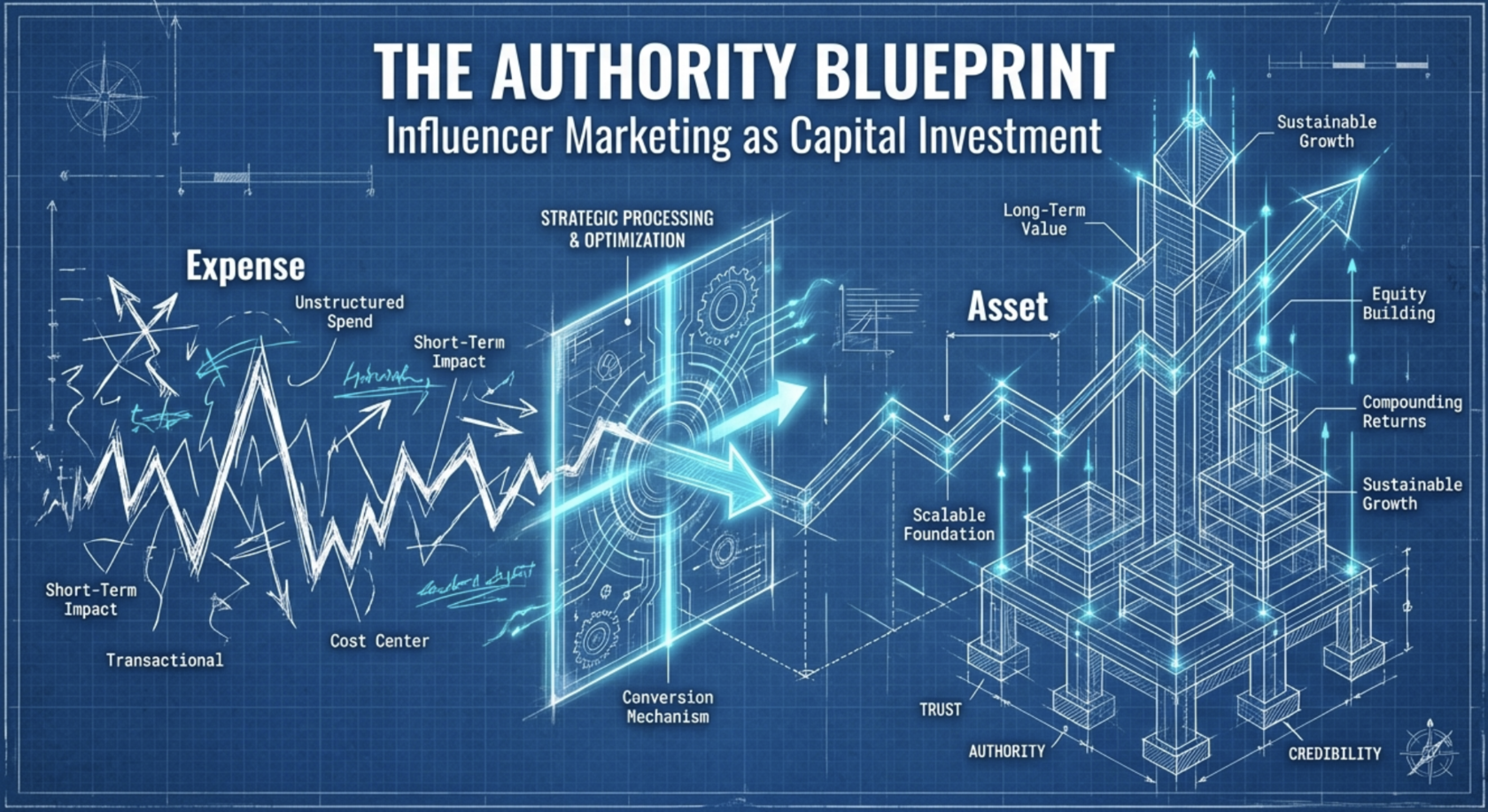
Influencer marketing remains a dynamic sector where costs shift based on emerging platforms and audience behaviors. Brands face varying expenses influenced by platform algorithms and content formats, creating a significant challenge for enterprise CMOs seeking budget predictability. Payment structures ranging from per-post fees to comprehensive campaign deals exist without fixed benchmarks, making it difficult to justify spend against hard business outcomes.
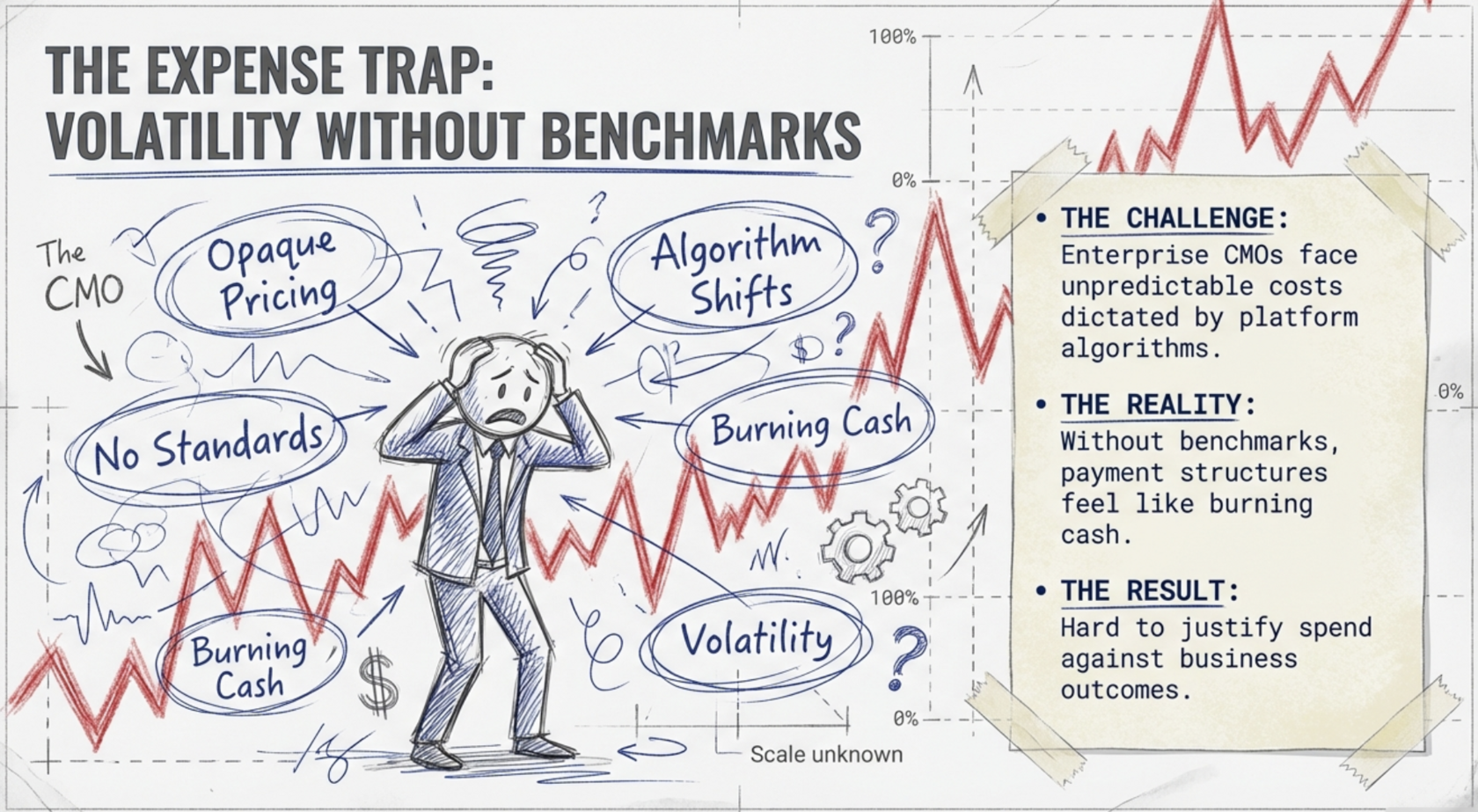
For marketing leaders in Central Asia, this lack of standardized pricing often obscures the true value of influencer partnerships. The strategic solution is to stop viewing influencer cost as a necessary expense and start calculating it as a direct investment in the core ranking factors that drive sustainable digital growth: Google's E-E-A-T framework (Experience, Expertise, Authoritativeness, and Trustworthiness).
The Central Asian Cost-Value Imperative
In the Central Asian market, particularly Uzbekistan and Kazakhstan, digital success hinges on genuine relatability and trust due to the young, highly social demographic's reliance on local digital figures and peer recommendations. This unique context means that purely technical SEO or direct response advertising strategies fall short if they ignore the credibility factor built by off-page signals. The cost of an influencer partnership must be measured against its ability to act as a "localized proxy for authority."
Justifying High Costs through E-E-A-T

The high cost of a reputable local influencer is justified if they strongly reinforce your E-E-A-T profile.
Experience (E) Justification
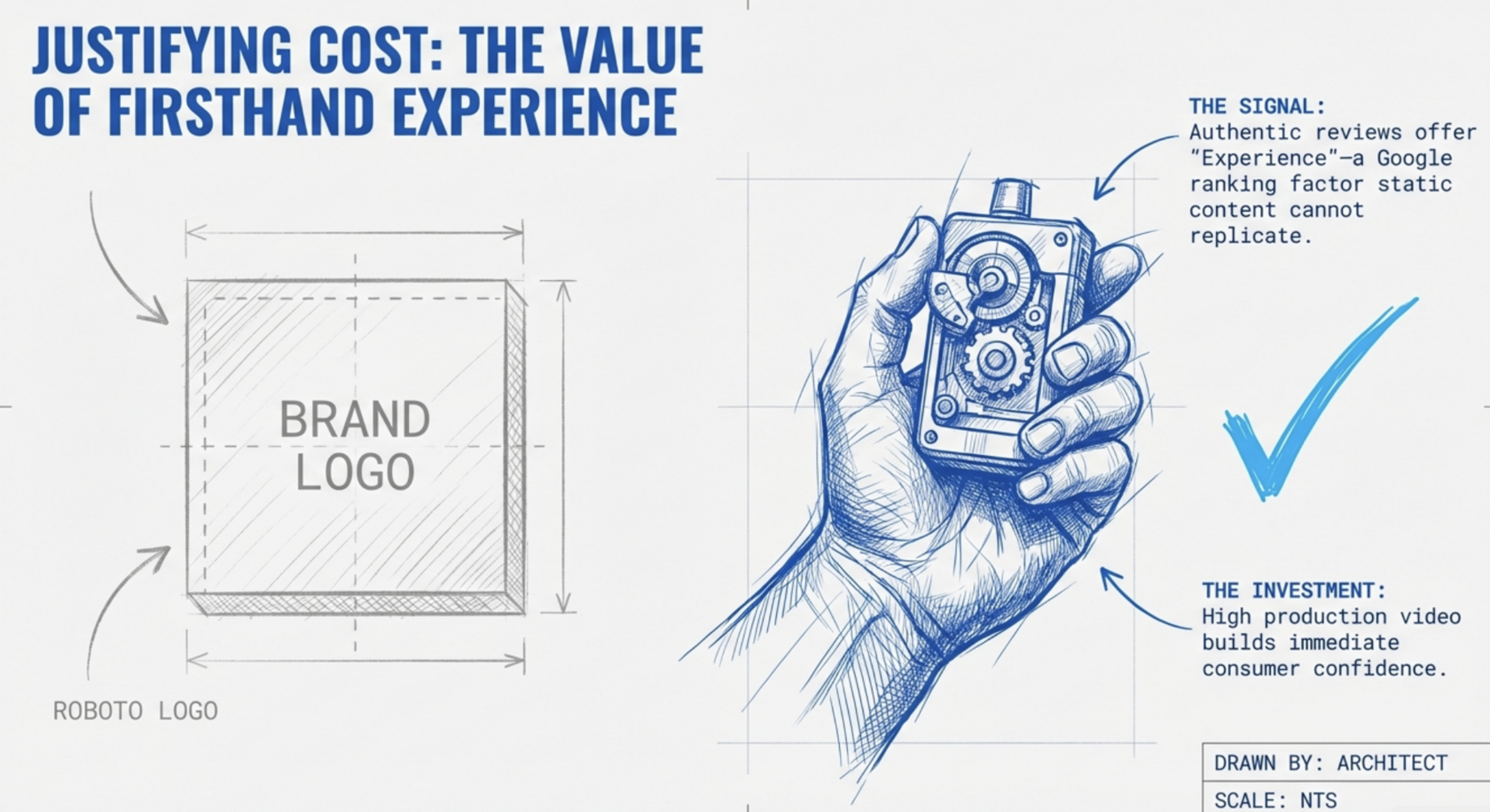
An influencer providing a review or demonstration offers the authentic "firsthand experience" signal that static brand content cannot replicate. This validation, even at a higher cost, builds immediate consumer confidence that algorithms are designed to detect and reward.
Authority (A) & Trustworthiness (T) Justification
Google views high-authority mentions and strategic links from trusted sources as strong signals of trustworthiness. Investing in a high-quality, specialized influencer—such as a finance expert or industry leader—is an investment in generating strong off-page signals that elevate your entire domain authority.
Market Context Relevance
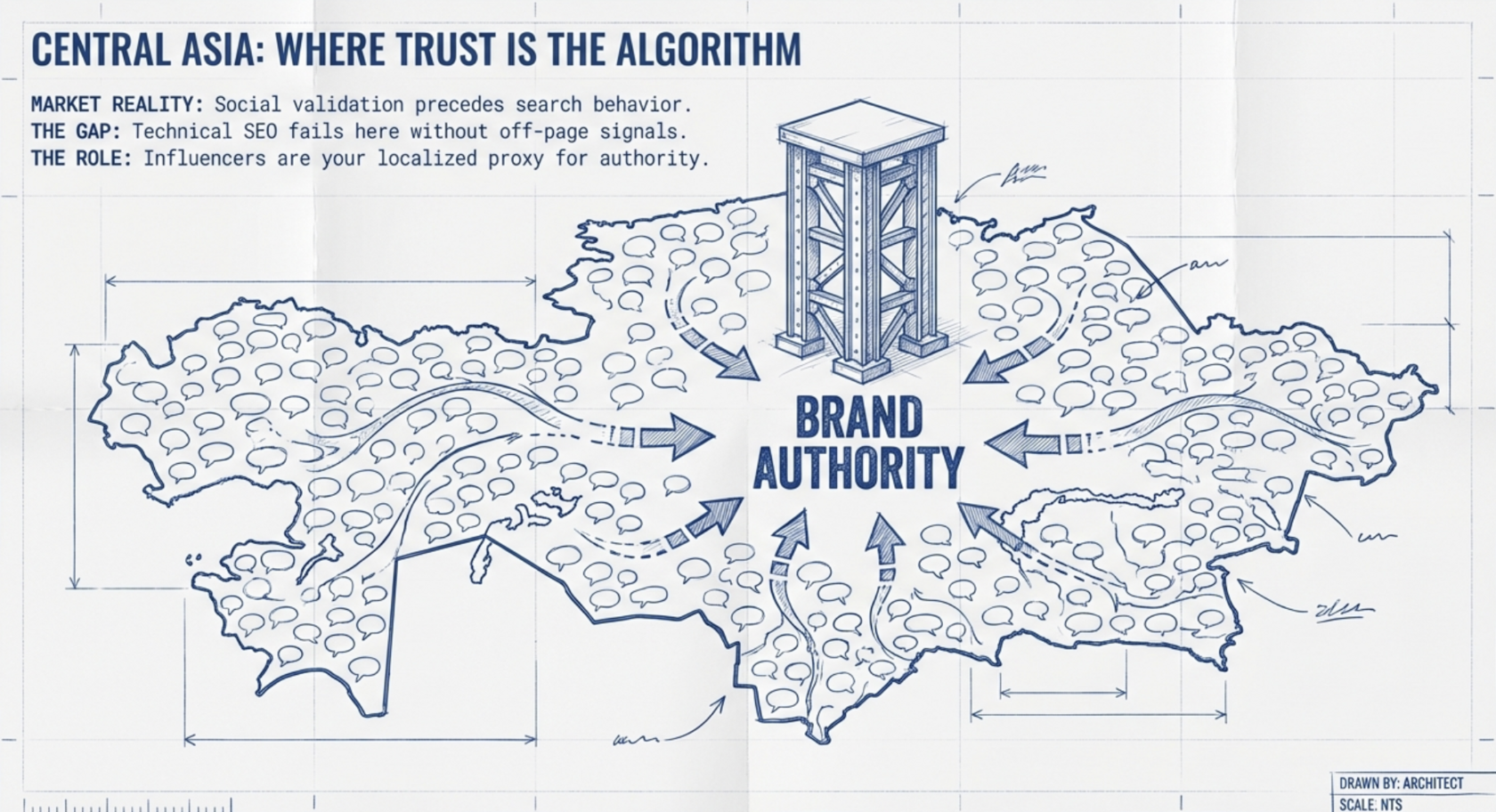
In Uzbekistan, where social validation is the precursor to search behavior, a strategic influencer campaign feeds long-term SEO by increasing branded search volume. It validates the brand's relevance outside of paid channels, effectively purchasing real estate in the consumer's mind before they even perform a search.
Framework for Value-Based Influencer Pricing
Instead of accepting opaque per-post pricing, CMOs should implement a value-based compensation framework that ties cost directly to strategic outcomes and the quality of E-E-A-T signals generated.
Strategic Compensation Models
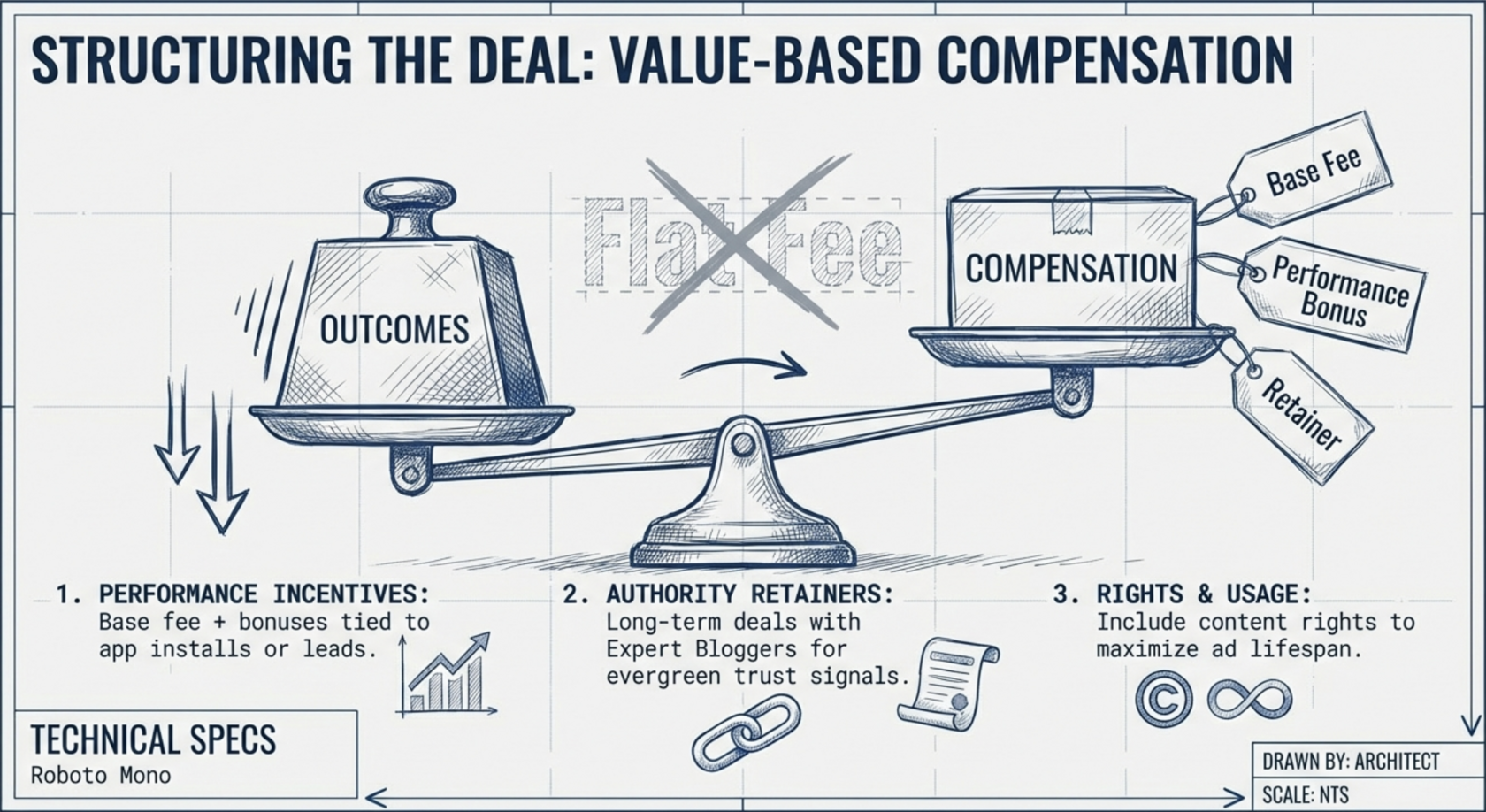
Performance-Based Incentives
For campaigns focused on measurable actions like app installs, sales, or leads, shift away from flat fees toward a compensation structure that includes a small base fee plus bonuses. Tying these bonuses to Key Business Outcomes ensures the influencer's goals align directly with the CMO's ROI mandate.
Long-Term Authority Retainers
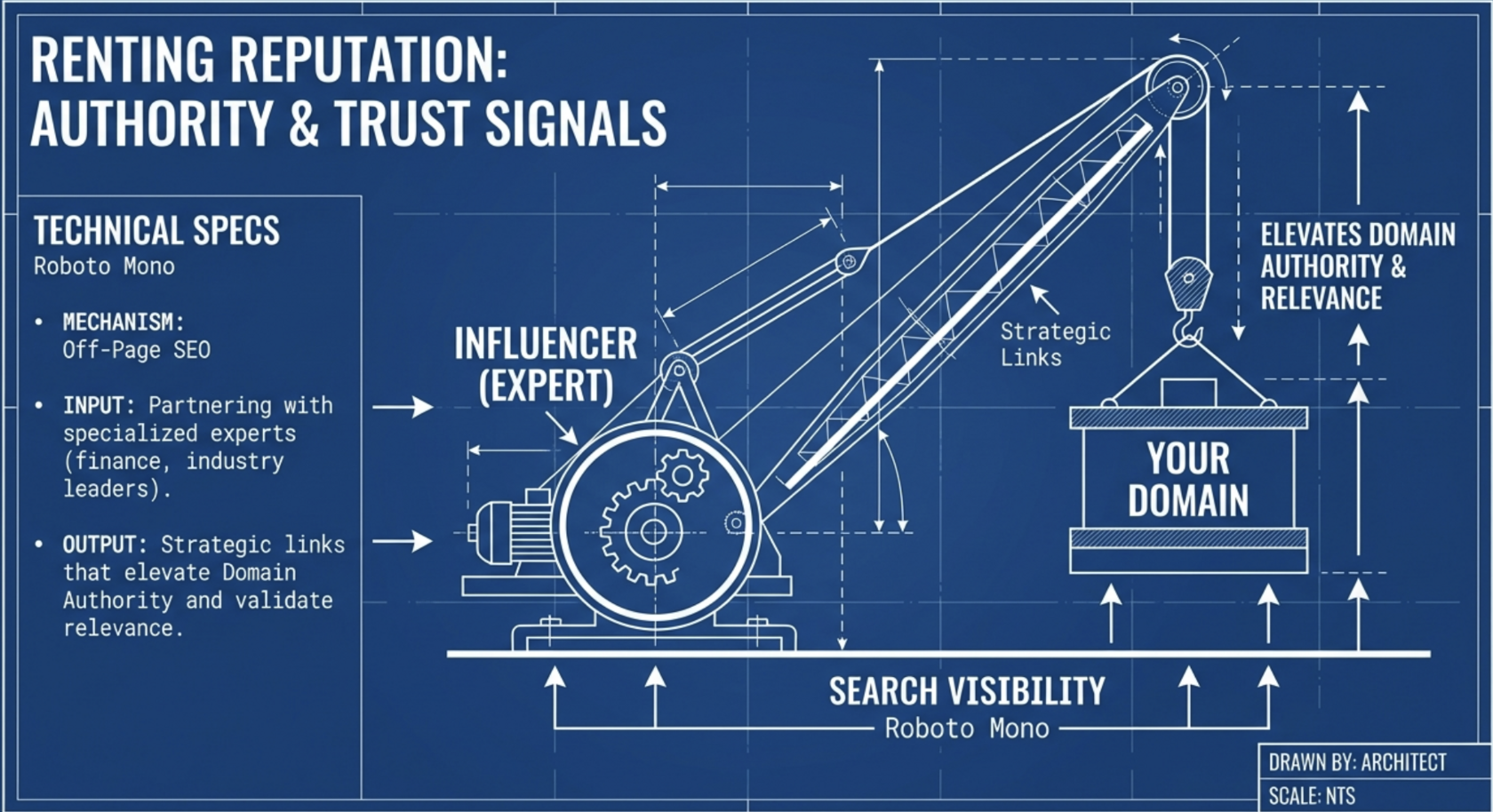
When the goal is sustained E-E-A-T building, prioritize evergreen content and strategic linking. Negotiate retainers with specialized, high-authority influencers to generate consistent, quality content. This serves as a sustained source of Trust and Expertise signals rather than a momentary spike in traffic.
Negotiating Cost Drivers
Content Rights and Usage
Ensure negotiated costs include clear terms for content usage rights. Acquiring the rights to use influencer content in subsequent paid ads or internal case studies maximizes the lifespan and ROI of the initial content investment, amortizing the cost over multiple channels.
Platform Specificity
Recognize that costs vary significantly by platform based on content format complexity. Allocate higher budgets to formats that align directly with campaign goals, such as high-production video for "Experience" signals, rather than cheaper, low-effort formats that yield fewer SEO benefits.
Transparency and Compliance
Managers must factor compliance complexity into their budget. Ensuring strict global transparency standards protects the brand from compliance risks and maintains E-E-A-T scores, effectively acting as an insurance policy for your brand's reputation.
Metrics & ROI: Justifying Influencer Investment

To move beyond cost confusion, CMOs must demand quantitative KPIs that prove the influencer investment is driving business value. The right influencer marketing manager operates under the same key business metrics as the CMO.
Cost Per Reach (CPM)
This is the fundamental metric for measuring the efficiency of awareness-focused campaigns. It is the primary KPI often set by clients to measure campaign efficiency, providing a clear benchmark for audience exposure value against other media channels.
Brand Lift (Awareness)
Measure the qualitative impact on trust and authority. Track metrics such as growth in positive brand mentions or improvement in Top-of-Mind (TOM) awareness position. This validates the investment in the ‘T’ (Trustworthiness) and ‘A’ (Authoritativeness) of E-E-A-T.
Engagement Rate (ER) Justification
The manager should not only track ER but must provide justifiable reasoning for expected rates based on the chosen influencer category and content type. This ensures the cost correlates with genuine audience interaction rather than vanity metrics.
Key Business Outcomes (Performance)
For performance campaigns, the focus must be on tracking end goals such as clicks, app installs, or sales, measured accurately on the client's analytics platform. This directly converts the initial cost into a measurable ROI, closing the loop between spend and value.
Conclusion

The perception of influencer marketing costs as volatile and non-standardized is a management challenge, not a market failure. For enterprise CMOs in the dynamic Central Asian environment, the solution lies in treating influencer spend as a strategic E-E-A-T investment. By utilizing value-based compensation models and rigorously tracking performance metrics like CPM and Brand Lift, brands can confidently justify their budgets, ensuring that every dollar spent directly contributes to building the long-term credibility and search authority that Google demands.
Frequently Asked Questions
1. Why are influencer marketing costs so variable in Central Asia?
Costs vary because there is no standardized "rate card" across the region. Pricing is influenced by the influencer's platform (Instagram vs. Telegram), their niche expertise, audience engagement quality, and even the current demand for their content.
2. How can I justify high influencer fees to my finance department?
Frame the cost as a dual investment: Media Reach + Content Production + SEO Authority. A high fee often replaces the cost of a creative studio (production) and a paid media placement (reach), while adding the unique value of "Trust" which cannot be bought via standard ads.
3. What is a "value-based" compensation model?
Instead of paying strictly for a post, you pay for the value created. For example, a lower base fee combined with a bonus for every 1,000 clicks or 100 app installs. This reduces risk and aligns the influencer’s incentive with your business goals.
4. How does paying for "Experience" (E-E-A-T) improve ROI?
When you pay for an influencer to demonstrate a product (Experience), you create "Social Proof." This content, when reused on your landing pages, typically increases conversion rates, lowering your overall Customer Acquisition Cost (CAC) and improving ROI.
5. Should I pay more for video content?
Yes. Video content (Reels, TikToks) generally retains attention longer and is favored by algorithms. It is also the best format for demonstrating "Experience," making it a higher-value asset for your brand than a static image.
6. What are "Content Rights" and why do they cost extra?
Content Rights give you the legal permission to use the influencer's video in your own TV ads, digital banners, or website. Influencers charge extra for this because it extends the value of their work beyond their own feed. It is a critical investment for maximizing ROI.
7. Is it better to pay a retainer or per campaign?
For SEO and E-E-A-T, retainers are superior. A long-term partnership signals to Google that the association is stable and trustworthy. It also usually secures a better "bulk rate" on pricing compared to one-off posts.
8. What hidden costs should I anticipate?
Common hidden costs include product shipping/logistics, platform fees (if using an agency or tool), and potentially legal fees for drafting strict compliance contracts. Always budget a 10-15% buffer for these operational expenses.
9. How do I measure ROI if I can't track direct sales?
Use "proxy metrics." If you can't track the final sale, track "Brand Search Volume" (did more people search for us?) and "Traffic Quality" (did the influencer's traffic stay on the site longer than average?). These indicate successful brand building.
10. Does a higher follower count always mean a higher price?
Not always. "Macro" influencers charge more for reach, but specialized "Micro" influencers often charge a premium for access to a highly specific, trusting audience (e.g., a high-net-worth investment group). The value lies in the conversion potential, not just the raw numbers.