



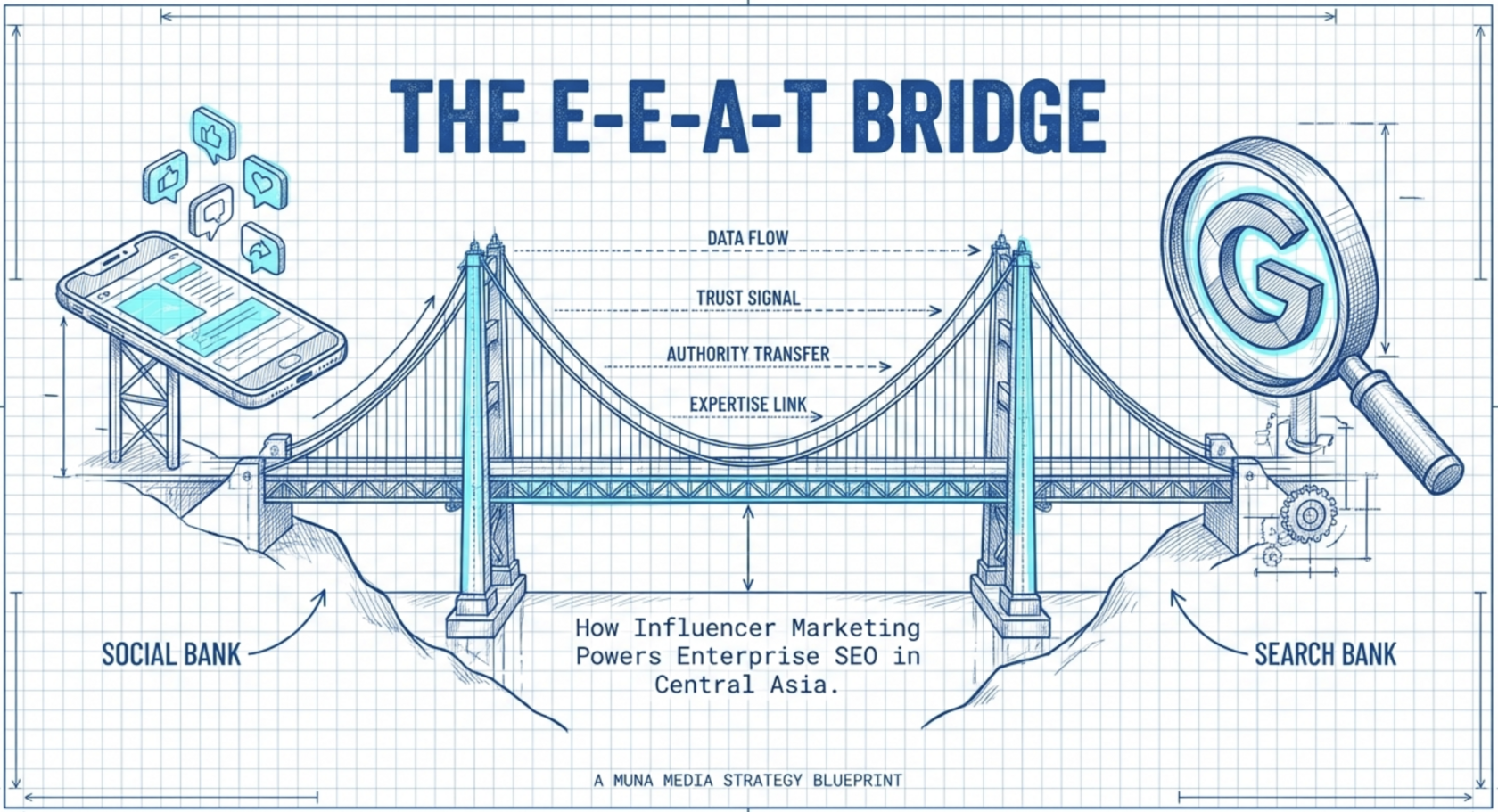
For enterprise CMOs, the path to dominating Central Asian search results involves far more than technical audits and keyword research. Today, Google prioritizes E-E-A-T (Experience, Expertise, Authoritativeness, and Trustworthiness) as its central ranking signal. The newest addition to this framework, "Experience," emphasizes that brands must demonstrate firsthand, tangible knowledge to rank highly.
If your digital advertising strategy relies solely on direct response and ignores this critical off-page validation, you are missing the external signals that build credibility. Influencer partnerships, when executed strategically, serve as powerful off-page levers. They create natural pathways to solidify your E-E-A-T profile and achieve sustainable SEO gains.
The E-E-A-T Imperative in the Central Asian Market
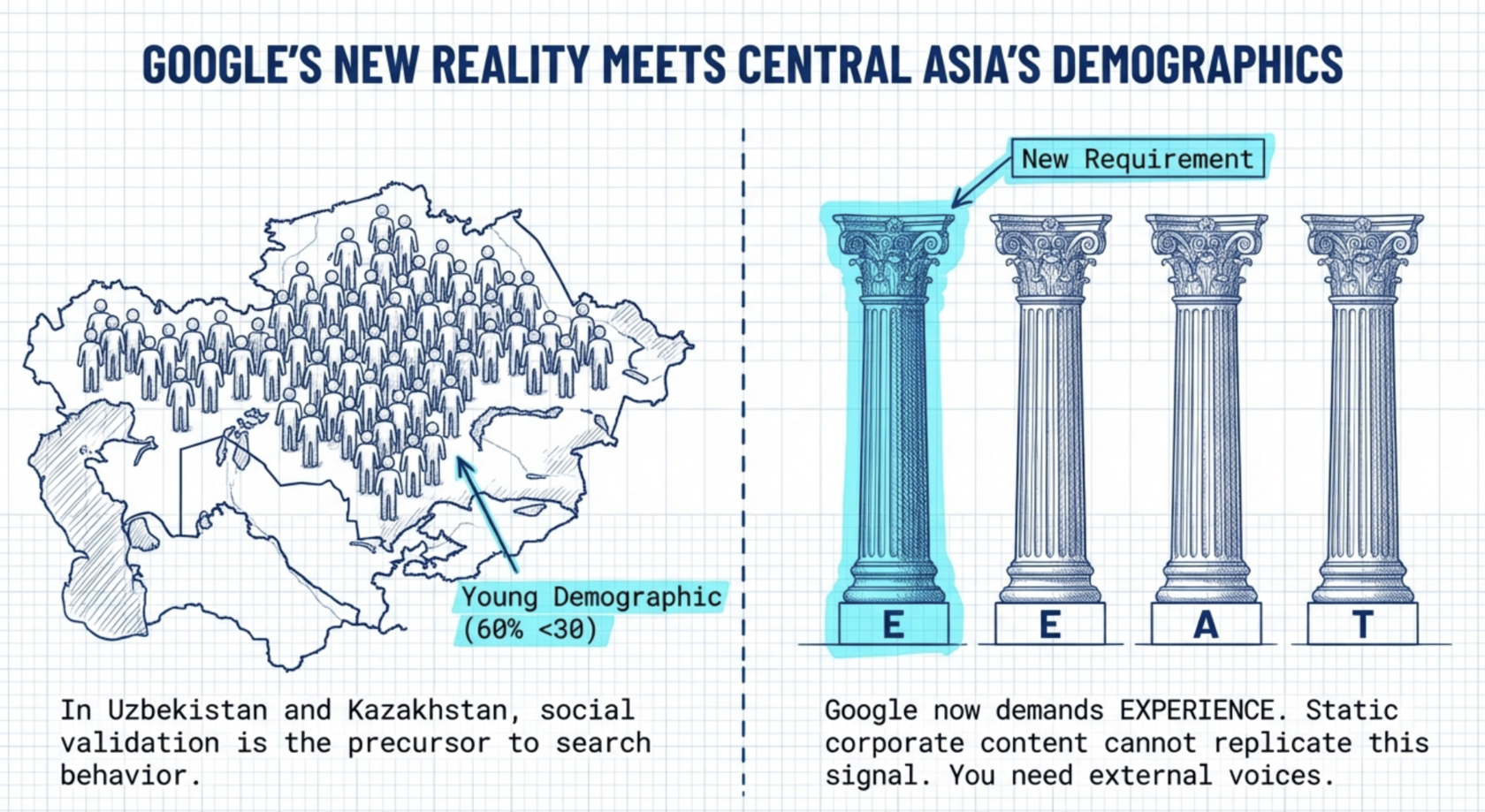
The Central Asian market, particularly Uzbekistan and Kazakhstan, is characterized by a young, highly social demographic with a deep reliance on peer recommendation and local digital figures. This unique market context makes the traditional, purely technical SEO approach insufficient. Digital success here demands genuine relatability and trust, which directly correlates with Google’s E-E-A-T criteria.
The Role of Experience (E) in Content
When an influencer, especially a micro or mid-tier creator, actively uses and advocates for your product, they provide the authentic "firsthand experience" signal that Google seeks. This is particularly vital in sectors like beauty, food, and lifestyle. For instance, a food blogger reviewing a restaurant such as Ku Ramen provides an experiential data point that static company content simply cannot replicate.
Building Authoritativeness (A) and Trustworthiness (T)
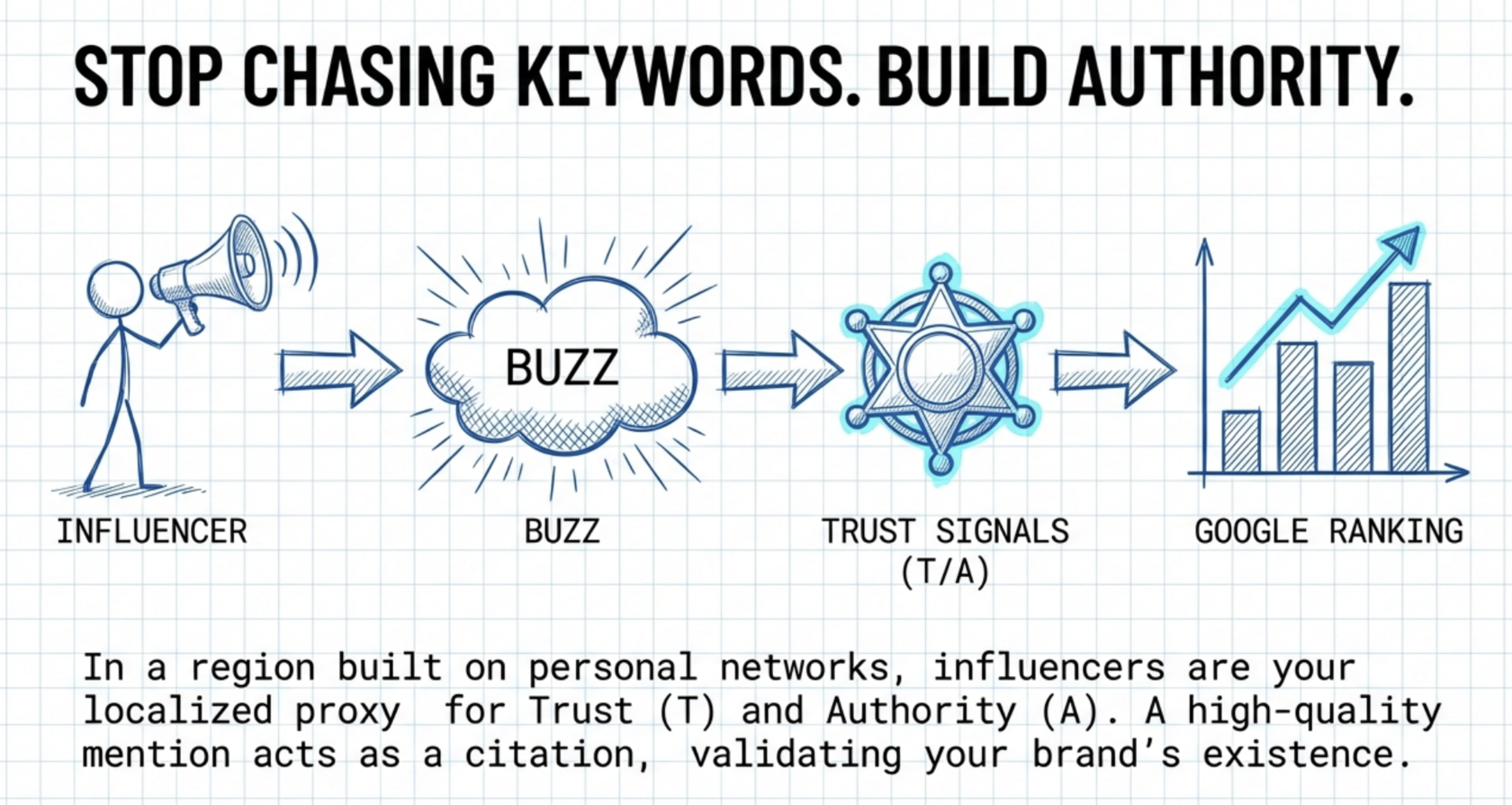
In a region where brand trust is often built through personal networks, a high-quality influencer acts as a localized proxy for authority. Their mention or link grants credibility, especially when they specialize in relevant fields like finance or luxury goods. Google views these high-authority mentions and links as strong signals of trustworthiness, validating your brand's standing in the digital ecosystem.
Navigating Uzbekistan’s Digital Landscape
With over 60% of the population under 30 and a booming e-commerce sector, social validation is the precursor to search behavior. An influencer campaign on Instagram or TikTok feeds long-term SEO by increasing branded search volume. It validates the brand's existence and relevance outside of paid channels, signaling to search engines that the entity is active and popular among real users.
The Influencer-SEO Alignment Framework
To systematically integrate influencer marketing into your SEO strategy, you must implement a structured framework focused on generating high-value E-E-A-T signals.
The Trust Matrix for Influencer Selection
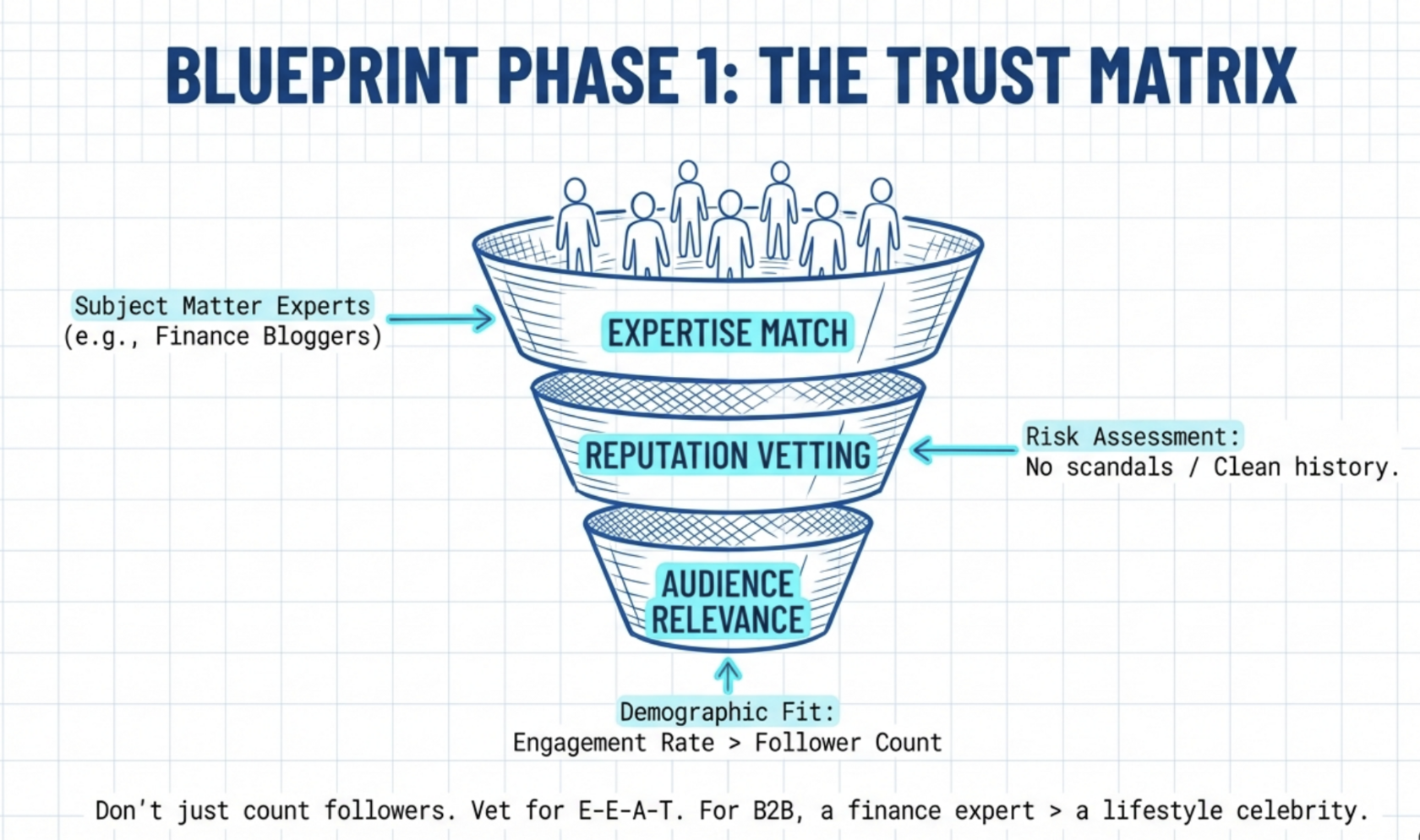
Go beyond follower count by evaluating influencers based on specific E-E-A-T metrics.
Establishing Expertise Match
Prioritize expert bloggers, especially in finance, and those open to banking or financial collaborations. For B2B or complex products, look for profiles that demonstrate deep subject matter knowledge rather than general lifestyle appeal. An expert blog offers significantly more semantic value to search engines than a generic influencer account.
Conducting Reputation Vetting
Exclude celebrities and media personalities prone to scandals or negative reputational incidents. Poor reputation directly undermines the Trustworthiness (T) factor in Google's eyes. Ensuring your partners maintain a clean digital footprint is essential for protecting your own brand's algorithmic standing.
Confirming Audience Relevance
Use data points like engagement rate and content category relevance to confirm the influencer truly speaks to your target demographic. For example, a campaign targeting a male, urban, 18-40 demographic for digital courses must utilize influencers whose audience data mirrors this segment precisely.
Strategic Link and Mention Harvesting
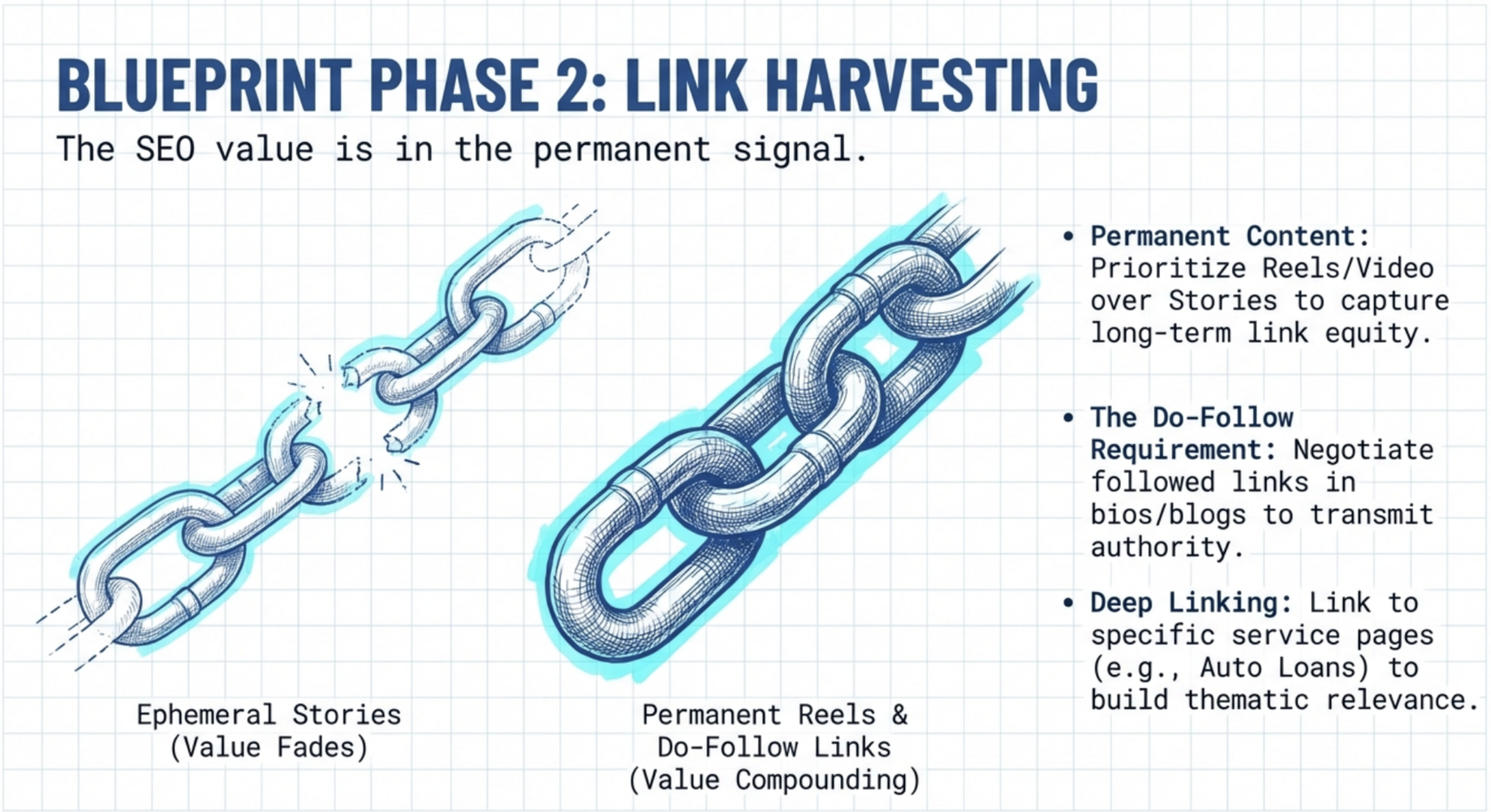
The SEO value of an influencer campaign lies in the persistent, authoritative signals left behind after the initial engagement spikes.
Prioritizing Permanent Content
Prioritize Reels and video content over ephemeral Stories. Permanent formats provide link equity and long-term reach that generate sustained awareness. Search engines require permanent content to index and analyze the context of the brand mention effectively.
The Follow Link Requirement
Negotiate and ensure the use of followed (do-follow) links when influencers link from their bio or websites to your campaign landing page. This directly transmits authority back to your domain, signaling confidence to search engines. Without this, you lose a significant portion of the "link juice" that improves domain authority.
Deep Linking Strategies
Instruct influencers to link directly to relevant sub-pages, service pages, or specialized content rather than just your homepage. For example, linking directly to a specific auto loan page enhances your content's thematic relevance and builds a deeper expertise profile in the eyes of search engines.
Content Validation and Synergy
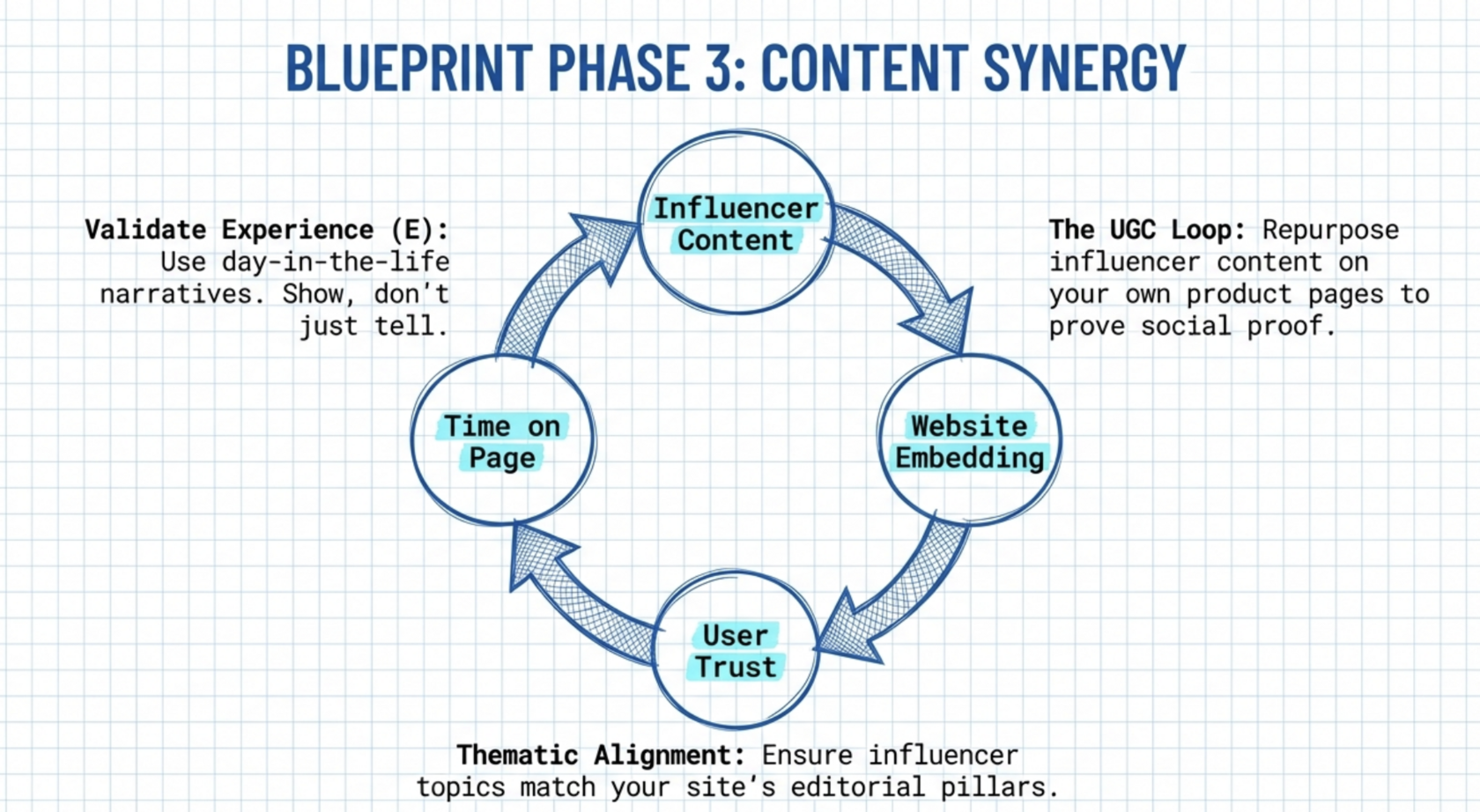
Influencer content should not exist in a vacuum; it should validate and reinforce your existing high-value content.
Creating Experience-First Narratives
Brief influencers to genuinely use the product and report on the experience. This could be a "day-in-the-life" video for a bank app or a genuine review of a perfume. This content serves as external proof of the "Experience" component of E-E-A-T.
Ensuring Thematic Alignment
Align the influencer content themes directly with your high-value on-site editorial pillars. This builds a semantic connection and proves the brand is recognized as an authority on the topic. If your site discusses financial wellness, your influencers should be discussing the same specific concepts.
Repurposing for Owned Channels
Obtain rights to repurpose successful influencer posts across your own social and web channels. User-Generated Content (UGC) embedded on your site is powerful proof of Experience and Trust for site visitors and search crawlers alike.
Metrics & ROI
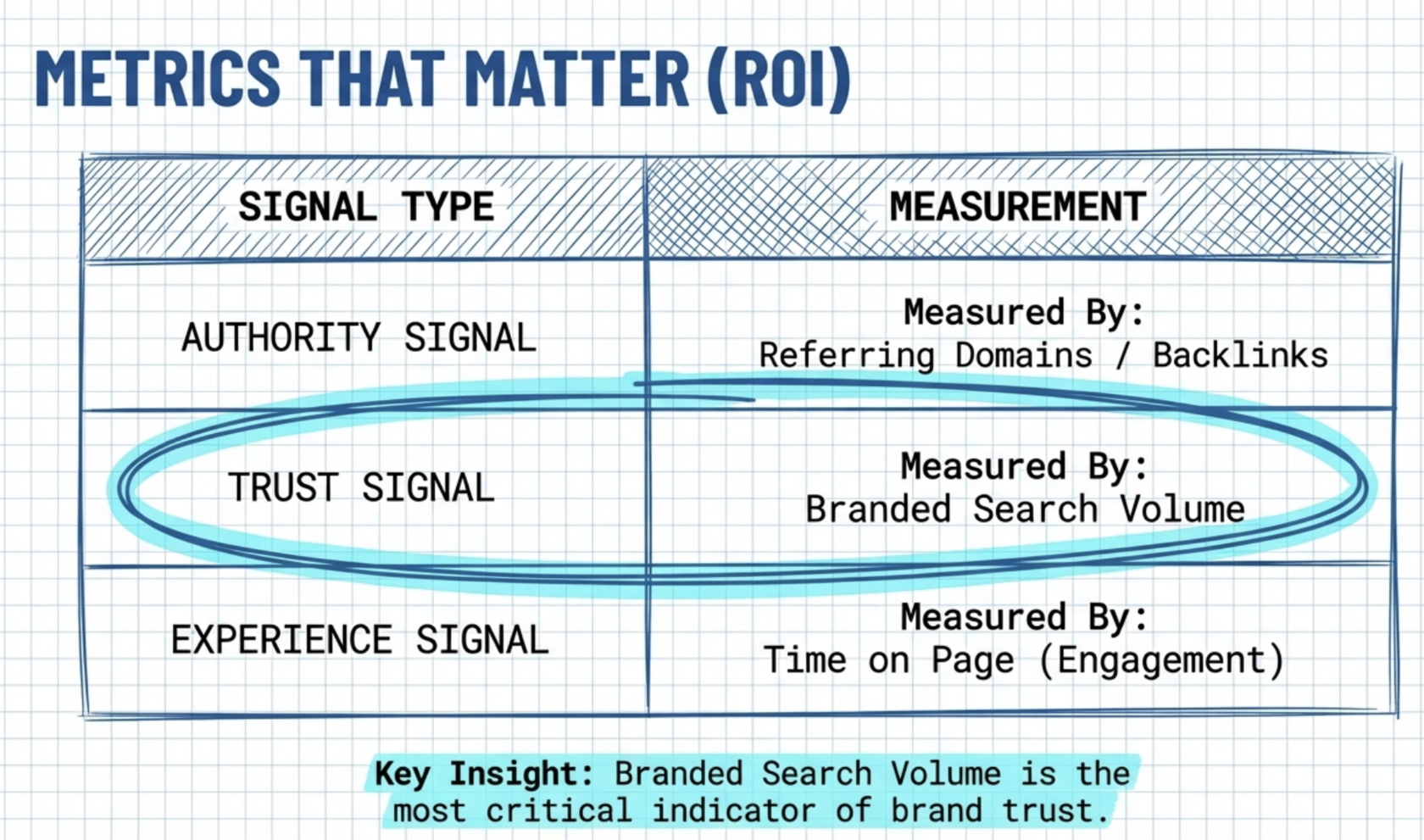
Measuring the impact of influencer marketing on SEO requires tracking organic search signals, not just immediate social performance.
Conclusion

For enterprise CMOs operating in the dynamic Central Asian environment, influencer marketing is no longer a peripheral social activity. It is a critical, integrated SEO function designed to build the necessary E-E-A-T signals that Google demands in 2026. By choosing trusted local voices who can demonstrate genuine Experience and prioritizing evergreen content with strategic linking, brands can effectively bridge the gap between social credibility and top-tier search rankings.
Frequently Asked Questions
1. What is E-E-A-T and why does it matter for Central Asian brands?
E-E-A-T stands for Experience, Expertise, Authoritativeness, and Trustworthiness. It is Google’s framework for evaluating the quality of content. For Central Asian brands, adhering to E-E-A-T is crucial because it differentiates legitimate enterprise businesses from low-quality spam, ensuring your site ranks higher for competitive keywords in Uzbekistan and Kazakhstan.
2. How exactly does influencer marketing improve SEO?
Influencer marketing improves SEO by generating high-quality backlinks, increasing branded search volume, and creating external validation of your content. These signals tell Google that your brand is a trusted entity with real-world authority, which directly boosts your domain ranking.
3. Does the "Experience" factor require the influencer to actually use the product?
Yes, Google’s updated "Experience" guidelines specifically look for evidence that the content creator has firsthand experience with the topic. An influencer simply holding a product is less valuable than one demonstrating its features, nuances, or benefits in a real-world scenario.
4. Are Instagram and TikTok links "do-follow" links?
Generally, links in social media bios and stories are "no-follow" or treated differently by Google. However, they drive traffic and engagement, which are indirect ranking signals. To get "do-follow" value, you should encourage influencers to cross-post to their blogs or YouTube channels where link equity is stronger.
5. Should I prioritize follower count or engagement rate for SEO impact?
For SEO purposes, engagement rate and niche relevance are far more important than follower count. A micro-influencer with a highly engaged audience in a specific niche sends a clearer semantic signal to Google about what your brand does than a celebrity with a broad, disengaged audience.
6. How do I track the SEO impact of an influencer campaign?
You can track impact by monitoring "Branded Search Volume" (how many people search for your brand name) in Google Search Console during and after the campaign. Additionally, track referral traffic behavior in Google Analytics 4 to see if influencer traffic engages deeply with your content.
7. What is the risk of using influencers with a bad reputation?
If an influencer has a history of spammy behavior, fake followers, or scandals, associating your domain with theirs can harm your "Trustworthiness" score. Google evaluates the neighborhood of links your site resides in; bad neighbors can lower your own site's authority.
8. How long does it take to see SEO results from influencer marketing?
Unlike paid ads, SEO results are cumulative. While you may see a spike in branded search immediately, the authority gains from backlinks and content validation typically mature over 3 to 6 months as Google crawls and indexes the new signals.
9. Can I use influencer content on my own website?
Yes, and you should. Embedding influencer videos or reviews on your product pages acts as "Social Proof," which improves "Time on Page" and conversion rates. These are behavioral metrics that Google uses to determine if a page is high-quality.
10. Why is "Deep Linking" important in influencer collaborations?
Deep linking involves linking to a specific internal page (like a "Mortgage Calculator" or "Perfume Collection") rather than just the home page. This helps Google understand the hierarchy and specific value of your internal pages, spreading authority throughout your website structure.